Rubbish collection near West India Quay station explained
Posted on 07/08/2026
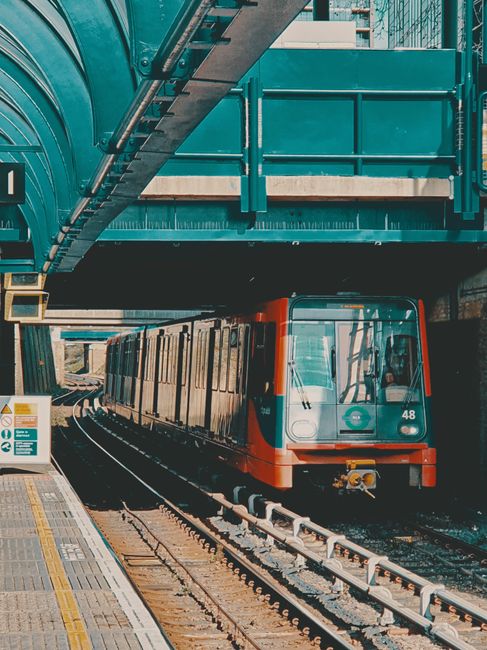
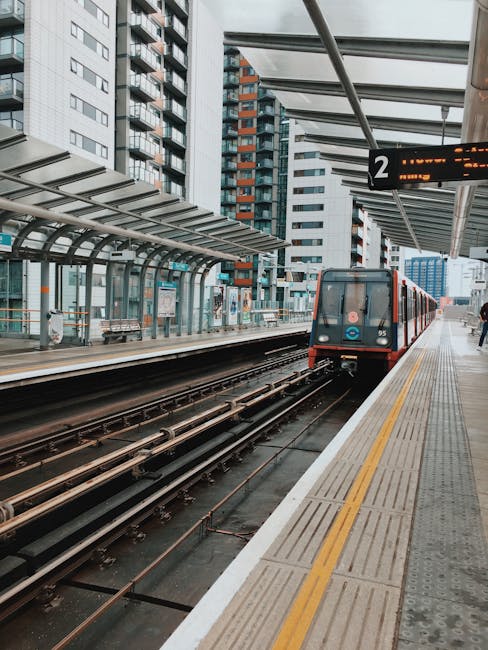
If you live, work, or manage property near West India Quay station, rubbish can pile up faster than you'd expect. Flats turn over, offices refresh, builders leave offcuts, and after a weekend event there's often more bin-side clutter than anyone planned for. This guide to rubbish collection near West India Quay station explained breaks the process down clearly: what the service covers, how collection typically works in Docklands, which options make sense for different types of waste, and what to watch out for so you don't end up paying twice or leaving a mess behind.
We'll keep it practical. No fluff, no vague advice, just a grounded look at how rubbish removal fits into everyday life around West India Quay, Canary Wharf, and the wider Docklands area. And yes, we'll also cover the awkward bits - access, timing, mixed waste, recycling, and the questions people usually ask at the last minute.
Why rubbish collection near West India Quay station matters
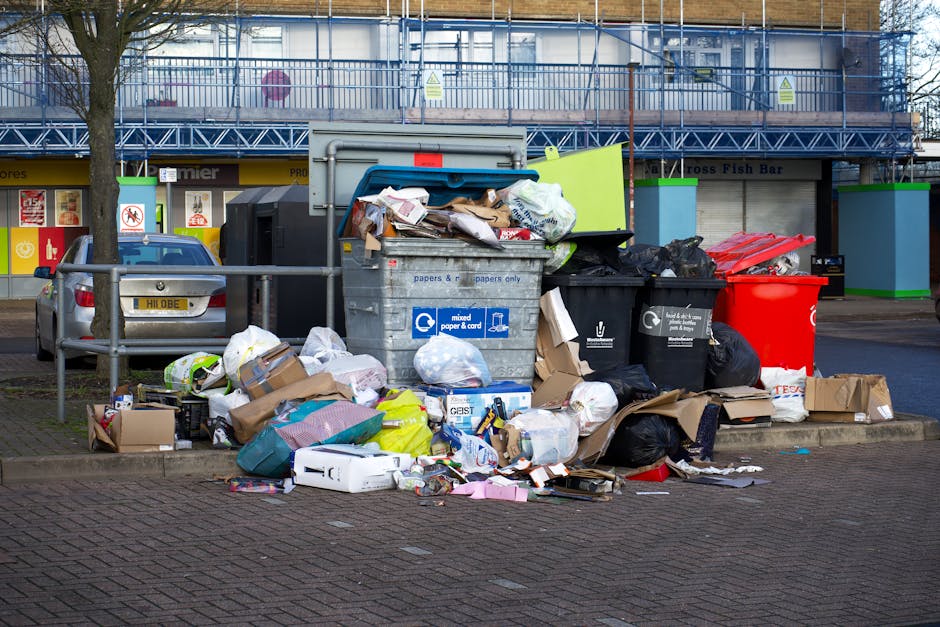
West India Quay sits in a busy part of London where homes, offices, hospitality spaces, and short-stay visitors all overlap. That mix matters. A small amount of waste in a quiet street is one thing; waste in a high-footfall Docklands location is another entirely. If rubbish is left too long, it can affect access, smell unpleasant, attract pests, and create friction with neighbours or building managers. Not ideal, frankly.
It also matters because many properties in this area have practical constraints. Narrow loading windows, concierge rules, lift access, underground car parks, and restricted stopping points can all make a simple throw-out feel oddly complicated. The right collection approach reduces hassle and keeps the building running smoothly.
There's another layer too: responsibility. Residents, landlords, office managers, contractors, and business tenants all need to think about where waste goes and how it's handled. A good collection plan helps you stay organised, keep shared areas clean, and avoid the kind of last-minute scramble that tends to happen on a Friday evening.
Expert summary: around West India Quay, rubbish collection works best when it is planned around access, waste type, and building rules rather than treated as a simple "pick it up whenever" job. That small shift saves time, stress, and often money.
If you want a broader local view of life in Docklands and the kind of places that generate steady waste streams, the article on why residents rate Docklands as a nice area gives useful context. It's a neat reminder that a well-kept area depends on quiet, consistent maintenance behind the scenes.
How rubbish collection near West India Quay station works
In simple terms, rubbish collection is about matching the right collection method to the right kind of waste. Near West India Quay station, that usually means assessing what needs removing, how much there is, where it's located, and how it can be accessed without disrupting the building or the street.
For smaller domestic jobs, collection may involve a quick pick-up of bagged household rubbish, old chairs, boxed items, or a few unwanted bits after a clear-out. For larger jobs, the process can include loading from flats, basements, offices, storage units, or sites with mixed waste. The method is usually chosen to suit the volume and the urgency.
In real life, the workflow often looks like this:
- You describe what needs removing and roughly how much there is.
- The waste type is identified: general rubbish, furniture, garden waste, builder's waste, or office items.
- Access details are checked, including parking, lift use, concierge arrangements, and any time restrictions.
- A collection time is agreed.
- The waste is collected, sorted where appropriate, and taken for the next processing step.
That last point matters more than people sometimes realise. Proper rubbish collection is not just "take it away and hope for the best." Recycling, reuse, and responsible disposal should be part of the process, especially in a dense London district where waste volumes can build up quickly.
For homeowners and landlords dealing with changing occupancy, the guide to buying and selling Docklands homes is also relevant, because void periods, move-outs, and pre-sale refreshes often create exactly the sort of clear-out that calls for organised collection.
Key benefits and practical advantages
There are obvious benefits to having rubbish collected properly, but the less obvious ones are often the most valuable.
- Cleaner shared spaces: bins, hallways, loading bays, and entrances stay more presentable.
- Less stress: you don't have to keep moving the same pile around the flat for three weeks. We've all done that, or nearly done that.
- Better time management: one well-planned collection is usually easier than several half-finished trips.
- Safer environments: fewer trip hazards, less clutter, and less lifting back and forth.
- More reliable disposal: waste is handled through a proper route rather than ending up abandoned somewhere it shouldn't be.
- More flexibility: useful for tight turnaround jobs, tenancy changes, and event clean-ups.
For some people, the biggest benefit is simply peace of mind. If you're managing a busy flat near the station and you can hear bins clattering outside at 7am, the last thing you want is a pile of broken furniture waiting in the hallway. Get it sorted, move on.
There's also a sustainability angle. If waste is separated and routed properly, more material can be reused or recycled. That's why it helps to choose a provider with clear recycling habits and a practical approach to sorting. You can read more about that approach on the site's recycling and sustainability page.
Who this is for and when it makes sense
This kind of rubbish collection is useful for a wider group of people than you might first think. It's not only for people with a giant pile of junk outside the door. It can help in lots of everyday situations around West India Quay.
Typical users include:
- Residents in flats and apartments who need help with bulky or awkward waste.
- Landlords and letting agents dealing with end-of-tenancy clear-outs.
- Office managers removing desks, chairs, packaging, and general office clutter.
- Builders and tradespeople with renovation debris or site waste.
- Hospitality venues clearing after refurbishments, deliveries, or busy event periods.
- Homeowners doing a seasonal sort-out, pre-sale clean, or post-move declutter.
It makes sense when your waste is too much for normal household bins, too bulky for easy self-transport, or too time-sensitive to leave sitting around. If you've got guests arriving, a property viewing the next day, or a job that has to be finished before the week starts, the value becomes pretty clear.
For event-led waste spikes, especially around busy venues and station-adjacent spaces, this can overlap with the sort of support discussed in same-day rubbish removal for event days. The principle is similar: waste timing matters when people, vehicles, and foot traffic are all in motion.
Step-by-step guidance
If you're booking rubbish collection near West India Quay station for the first time, keep it straightforward. Here's a sensible process that avoids the usual headaches.
- List what needs to go. Be honest and specific. "A bit of rubbish" is rarely enough. Write down furniture, bags, boxes, wood, metal, appliances, or mixed items.
- Sort by category. Separate general waste from reusable items, recyclable materials, and anything that may need special handling.
- Check access. Think about parking, lift access, staircase restrictions, loading points, and the best time to collect.
- Estimate volume. A few bin bags is very different from a room full of furniture. Even a rough estimate helps.
- Ask about timing. Morning, afternoon, or same-day collection may make a big difference if you're working around tenants, staff, or building rules.
- Confirm the waste type. Builders' waste, office clearance, garden waste, and household items are often handled differently.
- Prepare the area. Move items together and clear a route. It sounds obvious. Still gets missed.
- Keep a record. If you're a landlord, manager, or contractor, note what was removed and when. That tiny habit saves arguments later.
For nearby streets and practical local patterns, it can also help to look at rubbish collection options on Marsh Wall and Westferry Road. The access and timing issues are not identical, of course, but they're close enough to be useful.
Expert tips for better results
A little preparation goes a long way in Docklands. In our experience, the smoothest jobs are the ones where the customer has already thought through the annoying stuff before collection day.
- Take photos before booking. It helps with accuracy and avoids misjudging the amount of rubbish.
- Be clear about mixed loads. Mixed waste can require more sorting and may affect the collection plan.
- Use building rules to your advantage. If your block has a service lift or loading window, book around it rather than fighting it.
- Bundle similar items together. Chairs with chairs, cardboard with cardboard, bags with bags. It speeds things up.
- Move valuables first. You'd be surprised how often an item gets mistaken for rubbish during a rush. Slightly embarrassing, yes, but preventable.
- Think about noise. Early morning collections may be quieter from a traffic point of view, but not always better if people are sleeping nearby.
One practical tip that often gets missed: if you're dealing with a flat, ask whether items can be staged near the entrance or whether they need to stay inside until the team arrives. That one detail can save a lot of awkward back-and-forth in a concierge lobby.
Another small but useful point: don't wait until the waste has become unmanageable. A tidy, planned removal is nearly always easier than a rescue mission. Truth be told, rubbish has a funny way of multiplying when ignored for too long.
Common mistakes to avoid
Most rubbish collection problems near West India Quay come from a few avoidable mistakes. Nothing dramatic, just the sort of things that make a simple job less simple.
- Underestimating the volume: what looks like "just a few things" can quickly become a van-full.
- Ignoring building restrictions: some properties have strict collection windows or access rules.
- Mixing all waste together: it can complicate disposal and reduce recycling opportunities.
- Leaving collections to the last minute: especially risky if you need the area clear for visitors, handovers, or work.
- Assuming everything can go in normal bins: bulky items and construction waste often need a separate plan.
- Forgetting about parking and loading: in a busy station area, this can be the difference between a smooth collection and a lot of circling around.
One more thing: don't hide waste in corners and hope it will disappear. It won't. It just sits there, watching you. Not literally, obviously, but you know what I mean.
Tools, resources and recommendations
You do not need a huge toolkit to manage rubbish well, but a few simple things make life easier.
- Strong bin bags or rubble sacks for small and medium waste items.
- Tape and labels for separating keep, donate, recycle, and remove piles.
- Gloves if you're sorting old storage, garage, or building clutter.
- A tape measure for bulky furniture and awkward items.
- Phone photos to document what needs removing.
- A clear route to the exit if items need to be carried through a flat or office.
As for recommended planning resources, the most useful ones are often local and practical. A broad overview of available services is on the services overview page, while the pricing and quotes page is helpful if you're comparing options and need a sense of how jobs are usually priced.
If your waste includes furniture, have a look at the dedicated furniture disposal information too. Furniture is one of the most common headaches near West India Quay because it's bulky, awkward, and often too good to abandon but too heavy to move alone.
Law, compliance, standards and best practice
Waste collection in London is not something to improvise. Even where local arrangements vary, the basic expectation is simple: rubbish should be stored safely, collected responsibly, and handled in line with accepted UK waste practice. That means avoiding fly-tipping, keeping communal areas clear, and ensuring any removed waste is taken to an appropriate destination.
For residents, the main practical point is to avoid leaving bags or furniture in shared spaces for long periods. For landlords and business operators, there is usually a stronger duty to make sure waste is handled properly and that the site remains safe and presentable. If you manage a commercial unit or office near the station, rubbish should be treated as part of day-to-day operations, not an afterthought.
Best practice also includes:
- separating recyclable material where possible,
- avoiding hazardous mixing of waste types,
- keeping access routes clear,
- using insured and transparent collection arrangements,
- and making sure the service provider is clear about what happens next.
It is also sensible to review trust and operational policies before booking. The site's pages on insurance and safety, payment and security, and terms and conditions are useful for understanding the basics of service expectations. If you want to know who you are dealing with, the about us page is a sensible place to start.
Options, methods, or comparison table
There is more than one way to deal with rubbish near West India Quay station. The best method depends on urgency, waste type, access, and how much effort you want to put in yourself.
| Method | Best for | Pros | Trade-offs |
|---|---|---|---|
| Bag-and-bin disposal | Small household waste | Cheap and simple | Limited capacity; not suitable for bulky items |
| Self-transport to a tip or facility | People with vehicles and time | Good control over waste | Requires loading, driving, and disposal knowledge |
| Scheduled collection | Routine clear-outs and planned moves | Predictable and organised | May not suit urgent jobs |
| Same-day or short-notice collection | Urgent clutter, events, or handovers | Fast and convenient | Needs clear access and may cost more depending on scope |
| Specialist clearance | Furniture, offices, builders' waste, or mixed loads | Handles awkward waste properly | Requires more detailed planning |
For many people, the deciding factor is not price alone. It's the balance between time, convenience, and how much physical work you want to do yourself. A van trip might look cheaper on paper, but after loading, parking, traffic, and disposal hassle, it can stop feeling cheap pretty quickly.
Case study or real-world example
Imagine a small apartment near West India Quay station after a tenancy changeover. The outgoing tenant leaves a broken desk, two office chairs, several bin bags, and a few flattened boxes. Nothing massive, but enough to clutter the hallway and cause friction with the building manager. The flat also has a narrow lift and a limited loading period in the morning.
A sensible approach would be to photograph the items, separate the cardboard from the furniture, confirm access rules, and schedule collection within the building's permitted window. The waste gets moved in one controlled visit rather than dragged out in stages over three days. Less disruption, less neighbour irritation, and no awkward "sorry about the lift" conversations. Nice and boring, which is usually exactly what you want.
Now compare that with a small office refresh nearby. Old monitors, chairs, cable bundles, and packaging can build up fast after a fit-out or desk shuffle. In that setting, office-specific clearance is usually far better than trying to force the waste into standard rubbish routines. It keeps the workplace tidy and avoids leaving staff to work around piles of unwanted equipment.
This is where a local office-focused option becomes useful, and why the office clearance service can be a better fit than a generic one-off collection when business waste is involved.
Practical checklist
Use this checklist before arranging collection near West India Quay station:
- Identify the exact items to be removed.
- Separate general waste, recycling, furniture, and special items.
- Check access routes, lifts, stairs, and parking.
- Confirm the collection window with your building or site manager.
- Take photos of bulky or awkward items.
- Estimate the amount of waste honestly.
- Prepare the area so items are easy to collect.
- Ask how mixed loads will be handled.
- Make sure nothing valuable has been left in the pile by mistake.
- Keep a note of the booking details and collection time.
If the waste is linked to landscaping or seasonal outside work, the garden waste removal page is worth a look too. Garden waste around Docklands is less common than office or household waste, but when it appears, it tends to appear all at once.
Conclusion
Rubbish collection near West India Quay station is really about making local waste removal fit the realities of Docklands living and working: busy buildings, limited access, mixed property types, and the need to keep things tidy without creating a whole second job for yourself. Once you understand how the process works, it becomes much easier to choose the right type of collection and avoid the common mistakes that waste time and money.
The best results usually come from a simple formula: know what you have, plan for access, separate what can be recycled, and choose a collection method that suits the space and the schedule. That's the whole game, more or less. Do it once, do it properly, and the place feels calmer straight away.
If you are comparing your options, start with a clear description of the waste and the access conditions, then look at the available services and pricing. A little preparation goes a long way, and it tends to make the whole thing surprisingly easy.
Get a free quote today and see how much you can save.
 Tipper Van - Rubbish Disposal and Waste Collection Prices in Docklands, SE16
 Luton Van - Rubbish Disposal and Waste Collection Prices in Docklands, SE16


